Damp is one of the most common and damaging problems affecting UK homes. Left untreated, it can lead to structural damage, health issues, and costly repairs. The challenge for many homeowners is recognising damp early and understanding the correct solution — not just masking the symptoms.
In this guide, we’ll explain the most common signs of damp, what causes them, and how professional treatment can protect your home long term.
What Is Damp and Why Does It Occur?
Damp occurs when excess moisture builds up inside a property. This can be caused by several factors, including failed damp-proof courses, external defects, poor ventilation, or water ingress through walls and roofs.
Homes across Newport, Cardiff, Bristol and surrounding areas are particularly vulnerable due to the UK climate, older housing stock, and exposure to driving rain.
Common Signs of Damp in Your Property
1. Damp Patches on Walls or Ceilings
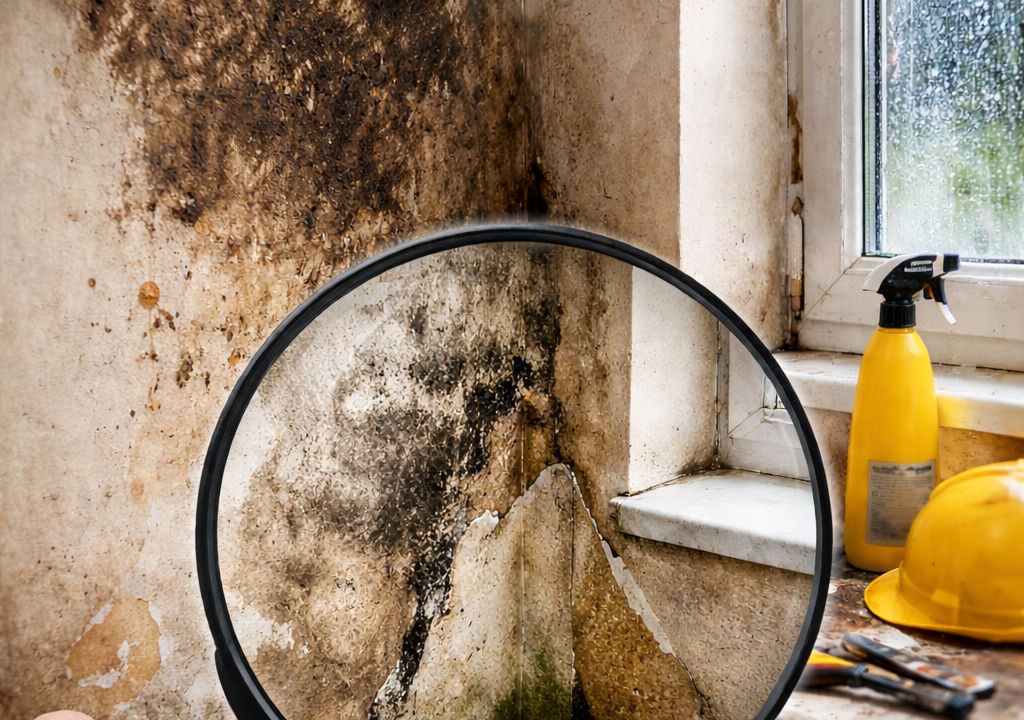
Dark or discoloured patches are often the first visible sign. These can appear gradually and may worsen after heavy rainfall.
2. Peeling Paint or Blistering Plaster
Moisture trapped behind walls causes finishes to break down, leading to flaking paint, bubbling wallpaper, or crumbling plaster.
3. Musty Smells
A persistent damp or earthy smell usually indicates hidden moisture, often behind walls, under floors, or in basements.
4. Mould Growth
Black mould around windows, ceilings, or corners is a clear warning sign. While it may appear surface-level, it often indicates deeper moisture problems.
5. Cold or Wet Walls
Walls that feel consistently cold or damp to the touch may be affected by rising damp or penetrating damp.
Types of Damp Explained
Rising Damp
Caused by moisture travelling upward from the ground through masonry when a damp-proof course fails or is missing.
Penetrating Damp
Occurs when water enters through external walls due to cracked render, damaged brickwork, faulty gutters, or roof defects.
Condensation
Often mistaken for damp, condensation is caused by excess moisture in the air and poor ventilation — commonly seen in kitchens, bathrooms and bedrooms.
Correct diagnosis is essential, as each type requires a different treatment approach.
Why DIY Damp Treatments Rarely Work
Many homeowners attempt quick fixes such as repainting walls, using dehumidifiers, or applying anti-mould sprays. While these can reduce visible symptoms temporarily, they do not address the underlying cause.
Without professional assessment, damp will often return — sometimes worse than before.
Professional Damp Treatment: The Right Way
At EverDry Damp Solutions, every job begins with a proper inspection to identify the source of moisture. Treatments may include:
- Damp-proof course installation or repair
- Mould wash and fogging treatments
- Basement and cellar waterproofing
- External wall coatings and repairs
- Brickwork, repointing, and structural protection
All work is carried out with a focus on long-term protection, not short-term patches.
Why Early Damp Treatment Matters
Ignoring damp can lead to:
- Structural damage to walls and timbers
- Increased heating costs
- Worsening mould growth
- Health issues such as respiratory problems
- Reduced property value
Early intervention is always more cost-effective and less disruptive.
Get Expert Damp Advice You Can Trust
If you’ve noticed signs of damp in your home, the best next step is a professional assessment. EverDry Damp Solutions provides honest advice, clear explanations, and reliable treatments across Newport, Cardiff, Bristol and surrounding areas.
📞 Call us today on 07568 461736
📩 Or contact us online for a free, no-obligation estimate